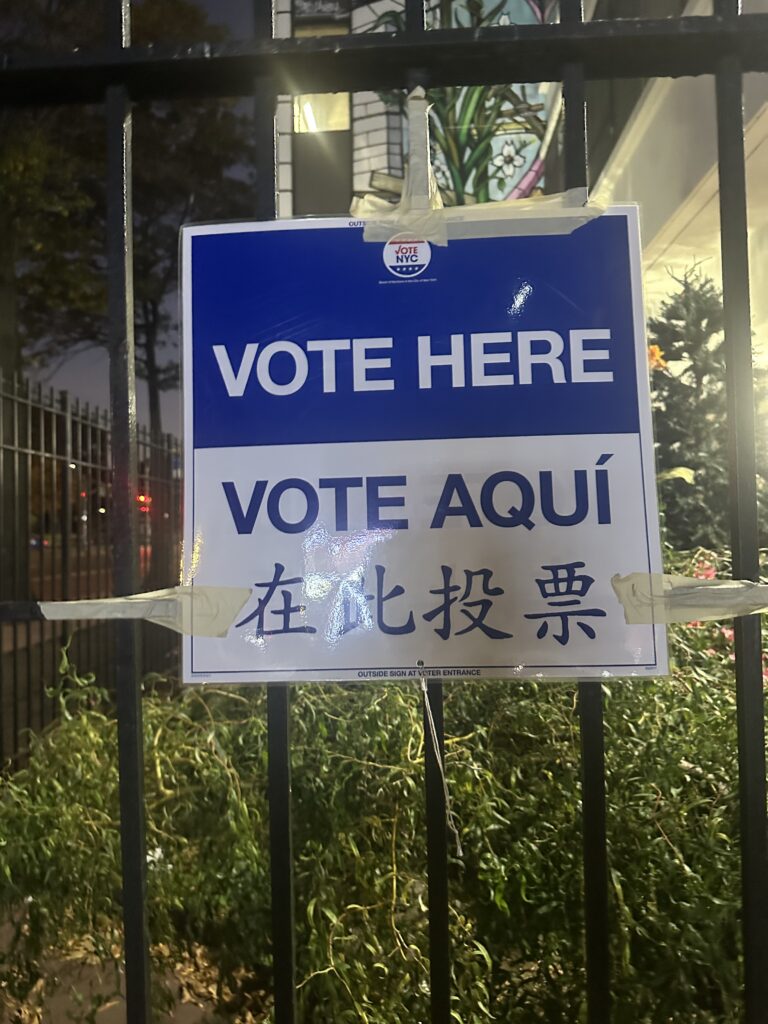

NEW YORK — November 3, 2026 — More than 59 million Americans cast their ballots ahead of Election Day, surpassing early-voting levels from the 2022 midterm elections and signaling substantial voter engagement as the nation decides control of Congress.
The nationwide figure, reported by the Associated Press, reflects a surge in voting by mail and in person before polls opened Tuesday.
An independent early-voting tracker from On Point Politics reported approximately 54.5 million early ballots across 47 reporting states on November 3, including 28.3 million cast in person and 26.2 million returned by mail. The difference illustrates how national totals can vary depending on reporting coverage, methodology and when data are updated.
The higher participation is especially notable in states with competitive U.S. Senate races, where voters could determine whether Republicans retain their congressional majorities or Democrats gain control of one or both chambers.
Texas leads a surge in early voting
Texas recorded approximately 7.7 million early votes, or roughly 40% of its registered voters, according to the Houston Chronicle.
That figure substantially exceeds the state’s previous midterm early-voting record of approximately 4.9 million in 2018.
The surge comes amid a competitive U.S. Senate race between Republican Ken Paxton and Democrat James Talarico, along with Gov. Greg Abbott’s reelection contest.
North Carolina also experienced exceptional early participation. More than 2.8 million voters cast ballots before Election Day, exceeding the approximately 2.15 million early votes recorded in 2022, according to the North Carolina FreeEnterprise Foundation’s early-voting tracker.
Georgia reported approximately 2.8 million early votes, with strong participation in urban areas and among younger and Black voters, according to The Wall Street Journal’s Election Day coverage.
Earlier in the voting period, an Associated Press analysis found early voting running ahead of the comparable point in 2022 in several competitive Senate states, including Texas, Maine, Kansas and Michigan.
Are Democrats or Republicans benefiting?
The early-voting figures suggest strong participation among registered Democrats in several states, but election researchers warn against treating those numbers as predictions of election outcomes.
According to the On Point Politics tracker, registered Democrats accounted for approximately 40.1% of early ballots in states that disclose party registration, compared with 33% cast by registered Republicans.
Those figures exclude states that do not report voters’ party affiliations and do not reveal which candidates received their votes.
Republicans have also increased their participation in early voting, a method historically associated more closely with Democratic voters.
A person’s voter registration does not necessarily determine which candidate they support, and millions of unaffiliated voters are participating.
Black, Hispanic and independent voters are drawing attention
Participation among Black, Hispanic and unaffiliated voters has emerged as another significant development.
According to an Axios analysis published October 29, election researchers identified unusually strong early turnout among these groups in several states.
The trends could prove important in closely contested elections, particularly where margins are expected to be narrow.
However, higher early participation among specific demographic groups does not establish their political preferences or guarantee an increase in total turnout.
Some Americans who previously voted on Election Day may simply be voting earlier this year.
What early voting tells us — and what it doesn’t
Election researchers have cautioned against interpreting early-voting numbers as election forecasts.
The University of Florida Election Lab, which maintains a national early-voting tracker, collects information on voting methods, party registration and available demographic characteristics.
These figures help researchers understand participation patterns, but they do not reveal the choices made on individual ballots.
Turnout can also vary significantly between states because early-voting periods, mail-ballot procedures and reporting schedules differ.
Control of Congress is at stake
Americans are voting in an election that could significantly reshape the remaining two years of President Donald Trump’s second term.
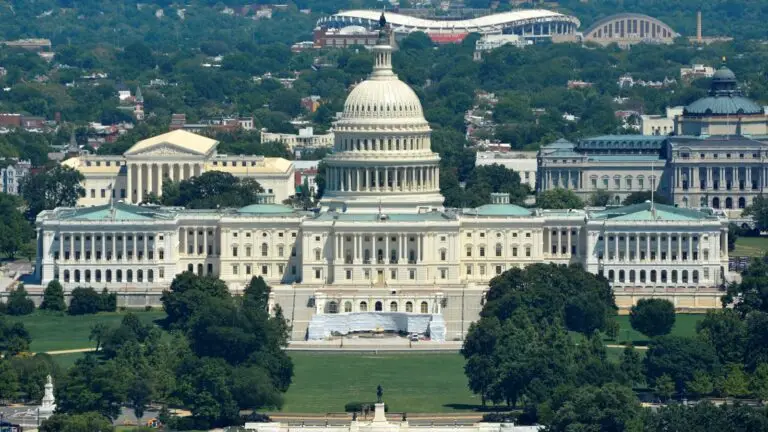
Republicans entered Election Day controlling both chambers of Congress. Democrats need a net gain of three House seats and four Senate seats to gain majorities, according to the Associated Press.
The economy and cost of living remain central concerns, alongside government accountability and dissatisfaction with the country’s direction.
With more than 59 million ballots already cast, the 2026 midterms have demonstrated substantial voter participation before Election Day.
But the central question remains unanswered: Are more Americans participating in the political process, or are voters simply changing when they cast their ballots?
The answer — and the future balance of power in Washington — will become clearer as Election Day votes are counted and outstanding ballots are processed.