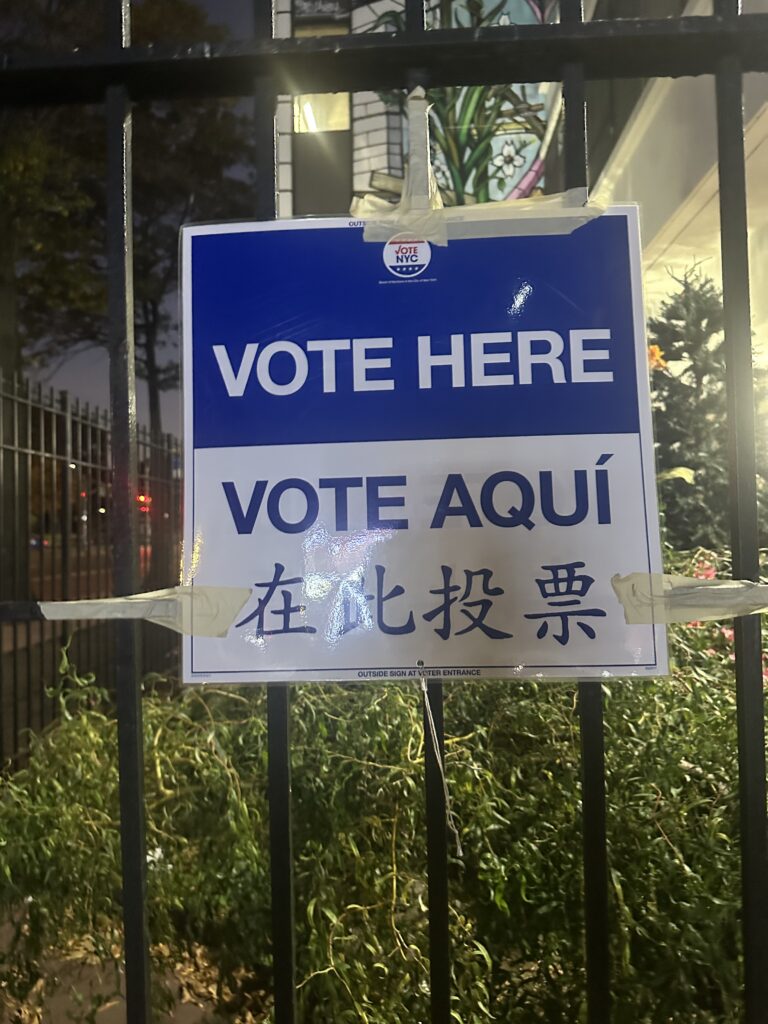
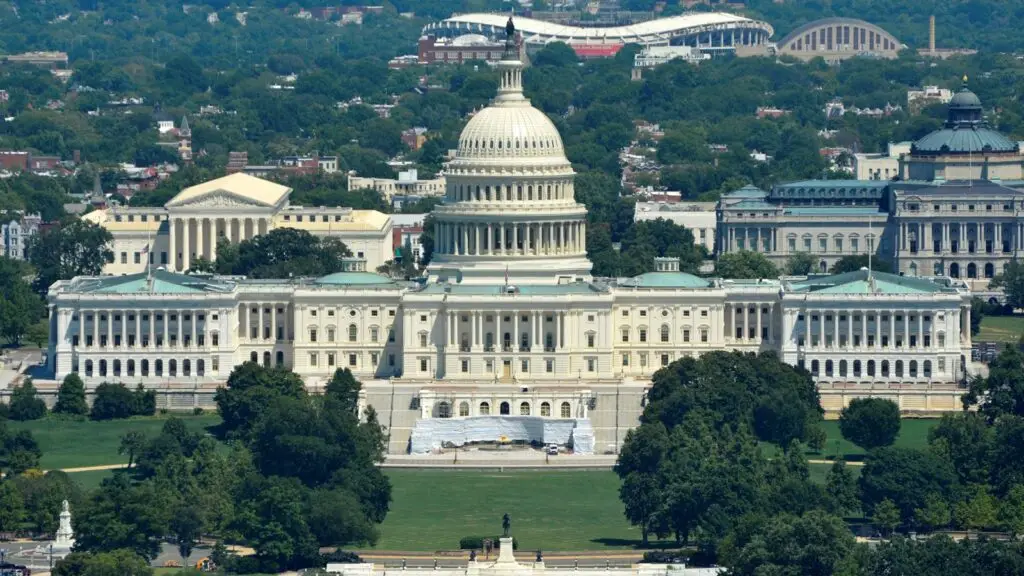
NEW YORK — November 3, 2026 — Democrats have won control of the U.S. Senate and are projected to take the House of Representatives, ending Republican dominance of Congress in a dramatic midterm election that will reshape the final two years of President Donald Trump’s presidency.
The Associated Press reports that Democrats have captured the Senate after flipping Republican-held seats in several states. Meanwhile, Reuters reports that Democrats are projected to win a majority in the House.
The election marks a major political reversal just two years after Republicans secured control of the White House and both chambers of Congress in 2024.
With Democrats poised to control Congress, the Trump administration will face a fundamentally different political environment beginning in January 2027.
Democrats Flip Key Republican Senate Seats
Republicans entered Election Day holding a 53-47 advantage in the Senate, including two independents who caucus with Democrats.
Democrats needed a net gain of four Republican-held seats to secure a 51-seat majority.
According to Associated Press election coverage, Democrats captured seats in several states that had previously favored Republicans, including Texas, South Carolina and Ohio.
In North Carolina, former Democratic Gov. Roy Cooper defeated Republican Michael Whatley, flipping another Republican-held seat.
Democratic Sen. Jon Ossoff also won reelection in Georgia, protecting a seat Republicans had hoped to capture. Both victories were reported by The Associated Press.
The victories secured a Democratic Senate majority and will give the party control over committee leadership and the chamber’s consideration of presidential nominations.
Democrats Retake the House
Democrats are also projected to regain control of the House of Representatives, where Republicans entered the election with a narrow majority.
Reuters reports that Democrats are projected to win enough seats to reclaim the chamber.
The outcome positions House Democratic Leader Hakeem Jeffries of New York to become speaker when the new Congress convenes, provided Democrats elect him to the position.
If elected, Jeffries would become the first Black speaker in U.S. history.
Voter Frustration Over Economy and Trump
The Democratic victories come amid widespread dissatisfaction with the economy, the rising cost of living and the direction of the country.
According to The Associated Press, voter frustration over high prices, inflation, the war with Iran and concerns about government corruption contributed to the Republican Party’s losses.
The midterm elections also served as a national test of Trump’s second presidency, with Democrats campaigning against administration policies while Republicans defended the president’s agenda.
The results show that Democrats were able to expand their electoral support in several states and districts previously held by Republicans.
What Democratic Control Means for Trump
Control of both chambers will give Democrats substantial authority over congressional oversight and legislative priorities.
In the House, Democratic committee chairs will be able to initiate investigations, conduct hearings and issue subpoenas concerning the Trump administration.
Senate Democrats will gain control of committee leadership and the process for considering presidential nominations, including federal judges.
Democrats will also have greater negotiating power over federal spending, immigration and other domestic policy priorities.
However, the president will retain significant constitutional authority.
Trump can veto legislation passed by Congress, and overriding a presidential veto requires a two-thirds majority in both chambers.
Additionally, most legislation in the Senate remains subject to procedural rules that generally require 60 votes to end debate.
A New Political Reality in Washington
The election results establish a new era of divided government, with Democrats controlling Congress and Republicans retaining the White House.
The shift is expected to produce more intense congressional oversight, challenging budget negotiations and potential legislative gridlock.
For Democrats, the victories provide an opportunity to influence federal policy and scrutinize the administration.
For Republicans, the losses create new political challenges ahead of the 2028 presidential election.
Although some individual races remain outstanding, the projected change in congressional control represents one of the most consequential outcomes of the 2026 midterms.
Brandon News continues its coverage of the 2026 midterm elections through The Big 26, tracking election results, congressional control and the implications for the country.