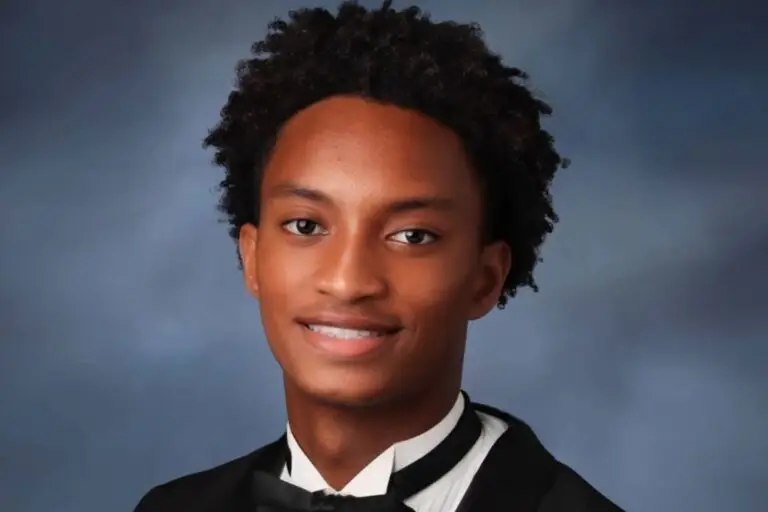

New reporting on a forensic analysis of Nolan Wells’ cellphone is providing a closer look at what some of his friends were saying privately after the 18-year-old disappeared during a Fourth of July gathering on Mississippi’s Horn Island.
The 292-page Snapchat report, compiled by digital forensics firm Garrett Discovery on behalf of Wells’ family, contains records from 29 group chats and private messages associated with his account.
The findings were initially presented publicly on September 24, with details of the Snapchat logs reported by the Mississippi Free Press on October 6. Additional coverage published October 13 by TMZ and PEOPLE highlighted conversations about Wells’ whereabouts, police questioning and public accusations surrounding his death.
Friends Questioned What Happened to Wells
According to TMZ, messages recorded around 12:45 a.m. on July 5 show participants attempting to determine where Wells had gone after he was reported missing.
One participant claimed Wells had gotten off a boat with another individual around 6 p.m. the previous evening.
Other participants questioned why Wells would have left his phone behind if he intended to return to the mainland with someone else.
In a message sent later that morning, one participant wrote:
“There is def some sus s*** going on.”
Another questioned whether someone had been acting unusually.
The exchanges reveal uncertainty among people discussing Wells’ disappearance, but they do not independently establish his movements or what happened during his final hours.
Messages Discussed Police Interviews
Other conversations focused on how participants should handle questioning by law enforcement.
In one exchange, a participant suggested requesting an attorney, explaining that doing so would not imply guilt.
Other messages discouraged speculation and advised participants to limit their statements to what they personally knew.
The conversations have drawn attention amid the family’s continued demands for answers.
However, seeking legal counsel and encouraging individuals not to speculate are not inherently suspicious or evidence of criminal wrongdoing.
The messages also do not establish that participants agreed to provide false information to investigators.
Funeral Attendance and Public Scrutiny
By July 14, some conversations had shifted toward Wells’ funeral and public allegations circulating about his death.
TMZ reported that one participant proposed having friends attend the funeral and coordinate a statement for the media.
Another suggested contacting Wells’ mother, Christine Wonsley, to determine whether she would welcome their attendance.
The discussions occurred amid increasing public scrutiny of the people who were with Wells during the holiday gathering.
Earlier Findings Raised Questions About Deleted Messages
The newly publicized conversations are part of a broader forensic examination that Wells’ family and attorney Ben Crump discussed during a September 24 news conference.
According to the forensic examiner, Andrew Garrett, Wells’ last recorded phone activity occurred at approximately 2:18 p.m. on July 4.
Garrett identified Snapchat messages that appeared to have been deleted or unsent after that point.
However, the findings do not establish that someone physically accessed Wells’ phone to remove the messages. Snapchat allows messages to be remotely unsent, and the forensic review did not identify who was responsible for the missing communications.
Attorneys representing three of Wells’ friends have denied that their clients deleted messages or accessed his phone.
The Mississippi Free Press previously examined the released Snapchat records, providing additional context about what the available phone data can and cannot establish.
Grand Jury Declined to Indict
Wells’ body was discovered on Horn Island on July 6, two days after he attended the Independence Day gathering.
A Mississippi grand jury subsequently declined to indict anyone in connection with the death.
The grand jury concluded that the circumstances were consistent with drowning, but the official cause and manner of death remained undetermined.
Wells’ family has continued questioning the circumstances surrounding his death and seeking additional federal scrutiny.
Family Continues Calling for Federal Investigation
The family’s calls for additional investigation have reached the White House.
On October 7, President Donald Trump said he was considering asking the FBI to examine the case, according to Reuters.
The statement did not amount to an announcement that a new federal investigation had been opened.
Civil rights attorney Ben Crump and Wells’ family have continued calling for federal authorities to review the evidence surrounding the teenager’s death.
What the Messages Reveal — and What They Don’t
The phone records provide a contemporaneous account of what some participants were discussing in the aftermath of Wells’ disappearance.
They document confusion about his whereabouts, concern about police questioning and discussions about how to respond to mounting public attention.
But the messages alone do not establish how Wells died, whether someone else was responsible or whether participants attempted to interfere with investigators.
For Wells’ family, the records remain part of a larger effort to answer unresolved questions surrounding his death.
The case continues to attract national attention more than three months after Wells was found on Horn Island.